TIKVA Care Shelter
For Daniela, “safe” has to be an address
“People told me to leave. Nobody could tell me where to go.” — Daniela, 24
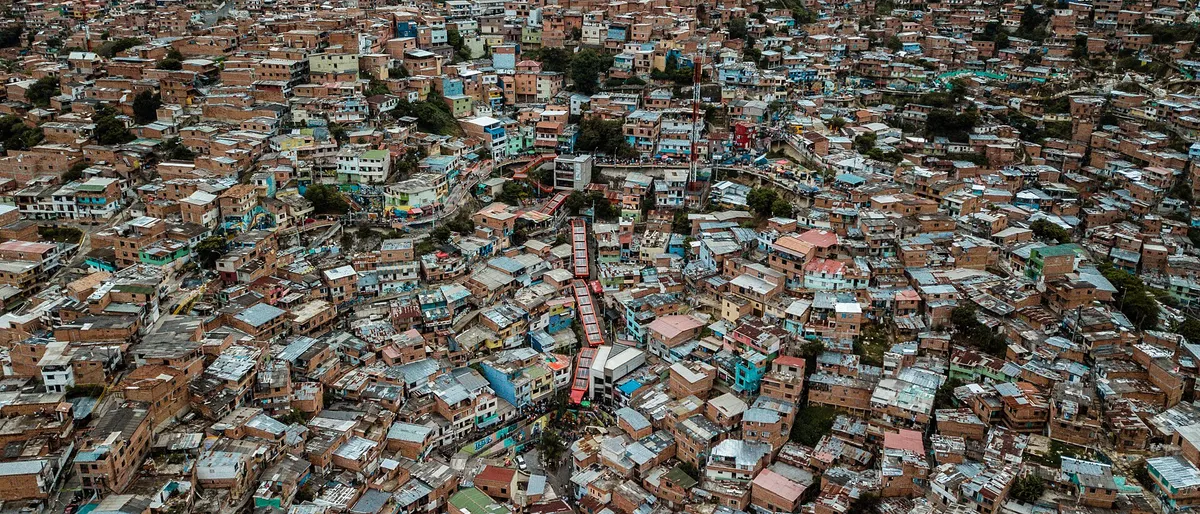
In the neighborhoods where TIKVA works, 63% of women have experienced violence. Ask why a mother stays in a dangerous home and the honest answer is brutally simple: the alternative is a sidewalk. Emergency systems are overwhelmed; family networks were left behind in another country or another region. “Leave” is only real advice if a door exists.
Daniela came to TIKVA SALA for the meal and stayed close because it was the one place that asked how she actually was. When things at home turned dangerous, the TIKVA team did everything an open-armed community can do — and ran straight into the wall every team here knows: there was no safe bed to offer that night.
That wall is why the TIKVA Care Shelter exists as a plan, and why it needs to exist as a building. Fifteen mothers and their children at a time. A four-month residential program: stabilize first — medical care, documents, trauma support — then skills training and mentorship, then job placement and a transition into independent housing. Not a warehouse for crisis. A runway out of it.
The operating cost is $2,000 a month — startlingly little for what it buys: the third option between a violent home and the street.
Be the door. $100 a month helps keep a family sheltered, fed, and mentored — and moves the shelter from blueprint to address.
To protect the women and children in our care, this story is a composite drawn from TIKVA’s weekly work in Medellín; names, photos, and identifying details are changed.
Write the next chapter
Monthly partners are the reason TIKVA can make promises — and keep them — week after week.