TIKVA THRIVE · Job training
Valentina’s hands learned a trade — and her family felt it
“The first time someone paid me for something I made, I didn’t spend the money for two days. I just kept looking at it.” — Valentina, 27
Displacement doesn’t just take your home. It takes your résumé. Whatever Valentina was building before — the vendor contacts, the neighbor who always needed childcare, the reputation that gets you work — none of it crossed the city with her.
What could cross with her: skill. That’s the bet TIKVA THRIVE makes every week, in a room with sewing machines, donated fabric, and women who arrive saying I’m not good with my hands and leave correcting each other’s seams.
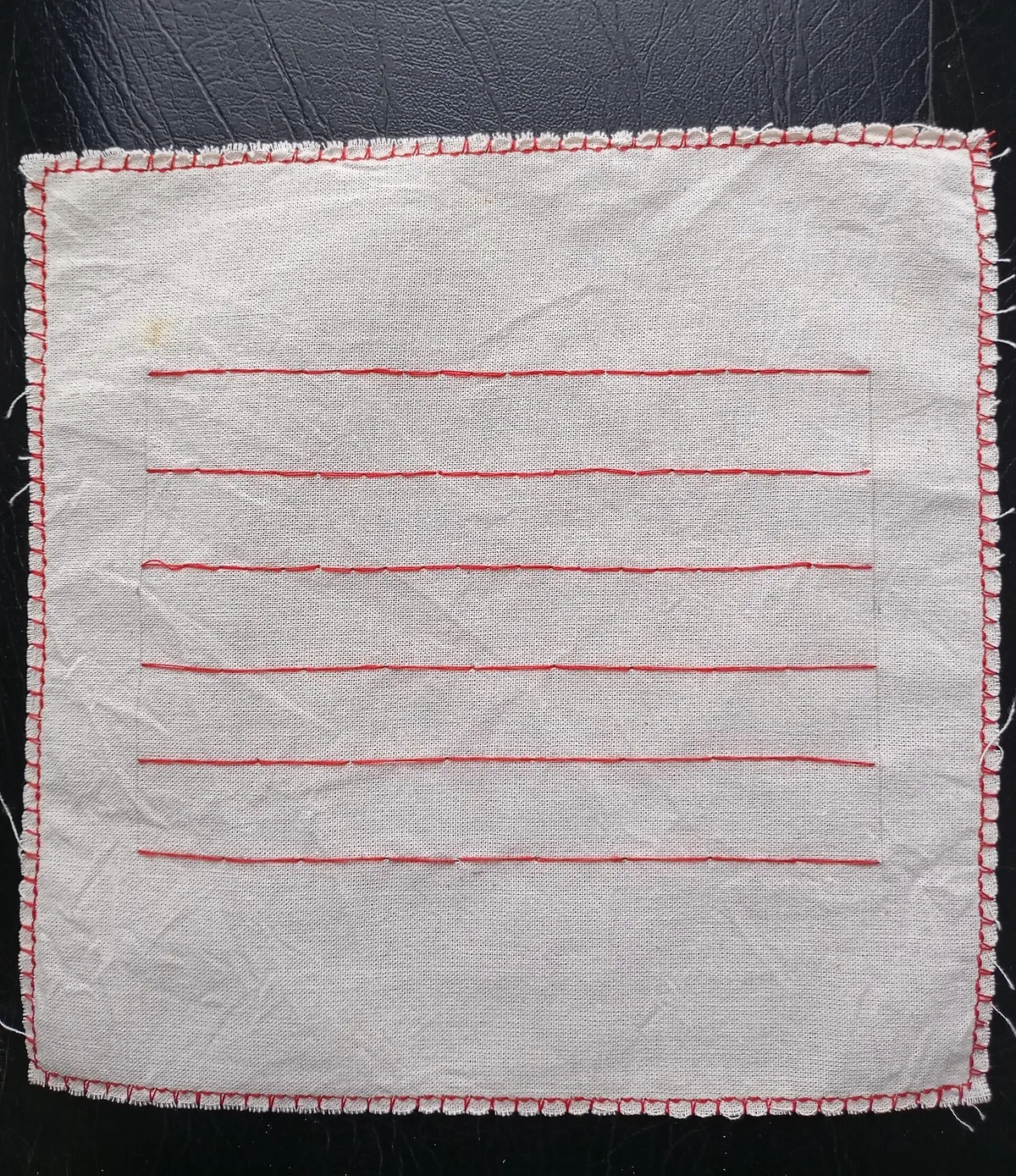
Valentina learned cutting, machine work, and finishing over four months of weekly sessions. The curriculum isn’t a hobby class — it’s aimed at the actual market: school-uniform repairs, alterations, simple garments that sell in the barrio. Her first paid order was hemming for a neighbor. Her current orders come from two stalls at the local market.
Daily income changes the math of a household in crisis. It buys breathing room — and in that room, her daughter does homework at TIKVA’s tutoring table instead of selling sweets at traffic lights.
Skill stays. $50 a month sponsors a woman through THRIVE’s training — machines, materials, and a teacher who won’t give up on crooked seams.
To protect the women and children in our care, this story is a composite drawn from TIKVA’s weekly work in Medellín; names, photos, and identifying details are changed.
Write the next chapter
Monthly partners are the reason TIKVA can make promises — and keep them — week after week.